
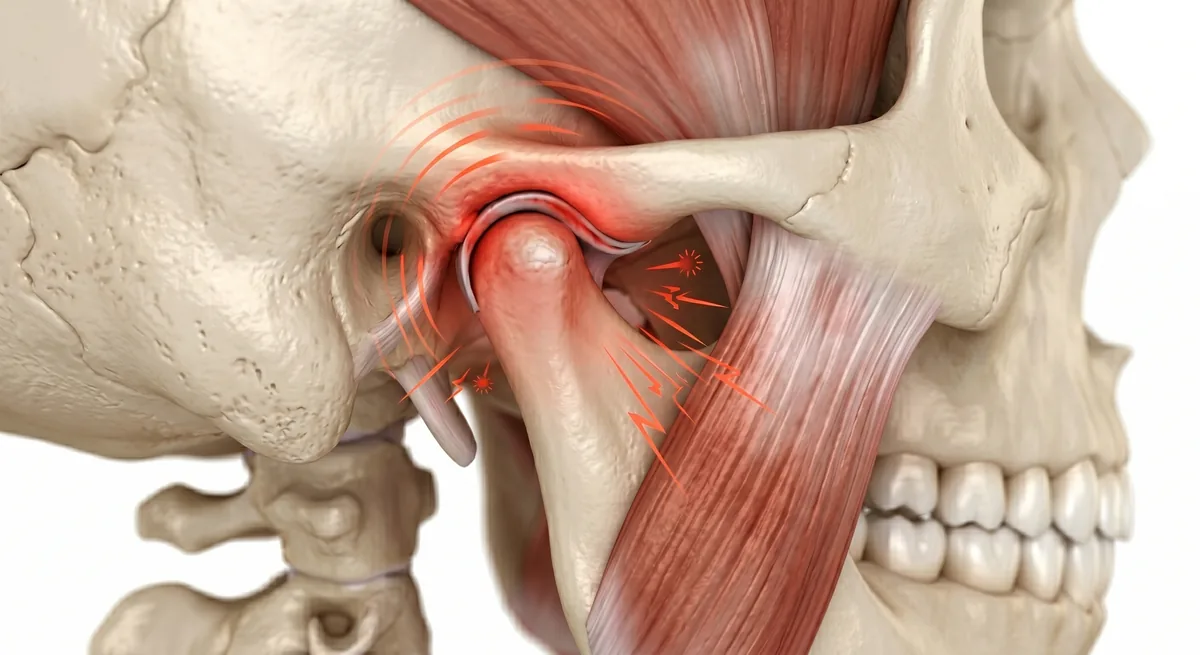
Jaw Pain, Clicking Jaw or Headaches: Could It Be TMJ Disorder?
A painless jaw click alone usually does not need treatment. Pain, locking or restricted opening needs assessment; these symptoms do not establish a TMJ disorder by themselves. Jaw pain is often confusing because it may feel like toothache, ear pain, headache, facial muscle pain, or clicking in the joint. Some patients notice it while chewing. Others wake with morning jaw stiffness or headaches. When these symptoms involve the jaw joint and surrounding muscles, the condition may be related to the temporomandibular joint, commonly called TMJ. NIDCR: Temporomandibular disorders.
Marwaha Dental Clinic offers TMJ treatment in Gurgaon. Evaluation may involve checking the bite, jaw movement, muscle tenderness, joint sounds, tooth wear, clenching habits, dental history, and whether symptoms may need referral beyond dentistry.
When Jaw Pain Needs Urgent Assessment
Inability to eat or drink, or jaw pain with changes in vision or a severe headache, requires urgent assessment. Other serious conditions can mimic TMD, so do not assume these symptoms are simply a jaw-joint problem. NHS guidance on temporomandibular disorder explains these warning signs.
Quick Answer: What Symptoms Suggest TMJ Disorder?
| Symptom | Possible TMJ Link | What To Do |
|---|---|---|
| Clicking or popping jaw | Possible jaw-joint mechanics; sound alone does not identify a disorder | Assess if painful, worsening, or locking. |
| Jaw pain while chewing | Jaw-muscle or joint symptoms | Dental and jaw examination. |
| Morning headaches or jaw stiffness | Possible clenching or grinding | Check tooth wear and muscle tenderness. |
| Difficulty opening mouth | Several possible joint, muscle or other causes | Urgent assessment for locking or restricted opening. |
| Ear-area pain without ear infection | Referred pain from jaw joint or muscles | Medical and dental causes may both need review. |
NIDCR: Temporomandibular disorders · NIDCR: Teeth grinding and clenching.
What Is the TMJ?
The temporomandibular joint connects the lower jaw to the skull, just in front of the ear. It works every time you speak, chew, yawn, or swallow. Muscles around the jaw, neck, and face also contribute to function and pain patterns.
NIDCR: Temporomandibular disorders.
Understanding Jaw-Joint and Muscle Pain
TMD is the term for conditions affecting the jaw joints and chewing muscles. The exact cause is often unclear and several factors may contribute. A symptom such as clicking is not, by itself, a diagnosis.
NIDCR: Temporomandibular disorders.
When Clicking Is Not a Problem and When It Is
Painless clicking or popping is common and usually does not need active treatment. But clicking with pain, locking, reduced mouth opening, worsening headaches or chewing difficulty should be assessed. An examination helps distinguish a harmless sound from a painful or restricted jaw movement.
NIDCR: Temporomandibular disorders.
What if my jaw locks or will not open fully?
Seek urgent assessment for a locking jaw or difficulty opening fully, especially if you cannot eat or drink. These symptoms can have more than one cause; a click does not tell you which structure is involved. Describe whether the jaw feels stuck open or closed, when it began and whether it affects eating. Exercise advice needs to fit the findings rather than a generic online routine. NHS: Temporomandibular disorder.
How TMJ Disorder Is Diagnosed
TMJ diagnosis begins with a detailed history. The dentist or oral surgeon checks when symptoms started, what triggers them, whether there is clenching or grinding, and whether pain is linked with chewing or stress. Examination may include jaw opening measurement, joint sound assessment, bite evaluation, muscle palpation, tooth wear check, and imaging where indicated.
Not all facial pain is TMJ. Dental disease, ear conditions, headaches and other medical problems can overlap with jaw-area pain. That is why careful diagnosis matters before treatment. NIDCR: Temporomandibular disorders.
Why do I wake with jaw pain or tired muscles?
Sleep grinding or clenching is one possibility, but morning soreness does not prove that it is happening. Bruxism can occur asleep or awake, and jaw tiredness, tenderness and headaches can accompany it. The dentist asks about the timing, looks for tooth or restoration damage (see worn or chipping teeth and grinding) and examines painful areas; a sleeping partner’s observations may help. Assessment also considers other causes of jaw pain. NIDCR: Teeth grinding and clenching.
How can stress, clenching and headaches overlap?
Stress can accompany clenching and make jaw pain harder to manage. Muscle pain may also be felt around the temples or ears. This does not mean every headache is dental or that pain is imaginary. Tell the clinician whether headache and jaw pain occur together, whether chewing affects them and what makes each worse. Relaxation, habit awareness or psychological support may be part of a plan when stress or anxiety amplifies pain, alongside assessment of physical causes. American Academy of Orofacial Pain: Muscle pain · NHS: Temporomandibular disorder.
Treatment Options May Include
- Habit and diet changes: avoiding hard chewing, gum chewing, and extreme jaw opening during flare-ups.
- Jaw exercises or physiotherapy: individually selected exercises or manual care may help movement and pain, but benefits vary.
- Oral appliance: a custom device worn in the mouth may be considered after reassessment, but its benefit for TMD pain is uncertain. NIDCR guidance on TMD care explains this limitation.
- Medication or referral: medicines need individual suitability assessment; evidence about which best relieves TMD pain is limited. Persistent symptoms or a different suspected cause may need further medical or dental assessment.
A selected removable splint should not permanently change the bite. Protecting teeth from grinding is a different goal from relieving TMD pain, for which evidence is limited; see our guide to night guards for grinding versus jaw pain. If the suggested appliance causes pain, stop using it and contact the dentist or doctor. NIDCR: Temporomandibular disorders.
What Patients Can Do During a Flare-Up
During a painful phase, avoid chewing hard foods, wide yawning, nail biting, and gum chewing. Eat softer foods temporarily and keep jaw movement gentle. Do not start aggressive jaw exercises without guidance, because exercises should suit the diagnosis and your movement limits. If symptoms worsen during a physiotherapy plan, seek clinical advice. Liverpool University Dental Hospital: Individually selected jaw exercises · Worcestershire Acute Hospitals: Physiotherapy and reassessment.
TMJ Care at Marwaha Dental Clinic
Dr. Divya Marwaha provides jaw-pain and TMJ consultations at DLF Phase 2. The examination considers dental causes, jaw movement and muscle symptoms. Findings guide care and follow-up; a painless click alone is not a reason to begin treatment.
When Jaw Pain May Not Be TMJ
Pain felt near the ear can come from jaw or neck muscles even when an ear problem has not been identified. Ear-area pain alone does not establish a TMD diagnosis. Dental disease, jaw-joint disorders, muscle pain, headaches and other medical causes need consideration. Describe any hearing or balance changes as well as jaw symptoms so the clinician can decide whether medical assessment is needed. American Academy of Orofacial Pain: Muscle pain · NIDCR: Temporomandibular disorders.
Jaw pain with vision changes or a severe headache needs urgent assessment. Jaw pain accompanied by exertional chest symptoms also needs urgent medical assessment, rather than being assumed to be muscle pain. NHS: Temporomandibular disorder · NHS pharmacy guidance: Jaw-pain warning signs.
What To Track Before a TMJ Appointment
TMJ symptoms often fluctuate. A short symptom record can help the dentist understand patterns instead of relying only on how you feel during the appointment. Note when pain is worse, whether clicking is painful, whether the jaw locks, whether headaches are morning-related, whether you clench during stress, and whether chewing hard foods triggers symptoms.
- Which side hurts: left, right, or both?
- Is the sound a click, pop, scrape, or locking sensation?
- Do you wake with jaw stiffness or tooth sensitivity?
- Do you have missing teeth, worn teeth, recent dental work, or a changed bite?
- Have you had ear, sinus, headache, neck, or neurological symptoms checked?
NIDCR: Temporomandibular disorders.
Why Reversible Treatment Is Usually Preferred First
Conservative care is usually considered first. This can include reducing jaw strain, guided exercises and a removable appliance for selected patients. Progress should be reviewed. Braces, grinding down teeth to adjust the bite, or placing extensive crowns should not be offered as a proven cure for TMD. Evidence that these bite-changing treatments help TMD is insufficient, and they can make symptoms worse. A separate dental problem may still justify orthodontics or restoration, but its purpose and risks should be distinguished from treatment for jaw pain. Before irreversible treatment for TMD, ask about simpler options and consider a second opinion from a suitably qualified clinician. NIDCR: Temporomandibular disorders.
FAQs: TMJ Treatment in Gurgaon/Gurugram
No. Joint sounds without pain are common and often do not need treatment. Clicking with pain, locking, reduced opening or worsening symptoms should be assessed. See NIDCR information on temporomandibular disorders and our TMJ assessment guide.
No. Jaw-related symptoms can occur alongside headaches, but that combination alone does not establish a diagnosis. Other causes need consideration. Describe when each symptom occurs and seek medical assessment for severe, unusual or new headache symptoms rather than assuming they are dental.
Do not assume permanent bite changes are required. Painless clicking alone usually needs no treatment. Bite-changing treatment has insufficient evidence for TMD and may worsen symptoms; ask about the diagnosis and conservative options before agreeing to it. NIDCR guidance recommends caution with treatments that permanently change the teeth or bite.
Exercises should suit the diagnosis and your movement limits. Ask for guidance if your jaw is painful or locking rather than forcing movements from a generic video. The TMJ assessment page explains conservative care and follow-up; NIDCR describes guided stretching and physical therapy.
Book a Consultation
Marwaha Dental Clinic is at J-4/33, DLF Phase II, opposite Sahara Mall, Gurugram – 122002. Call or WhatsApp +91-9818379780. Clinic hours are Monday to Saturday, 11AM–7PM.
Book via WhatsApp · Call the clinic · Contact and availability · Clinic directions