
Not Enough Bone for Dental Implants? Bone Grafting and Zygomatic Options
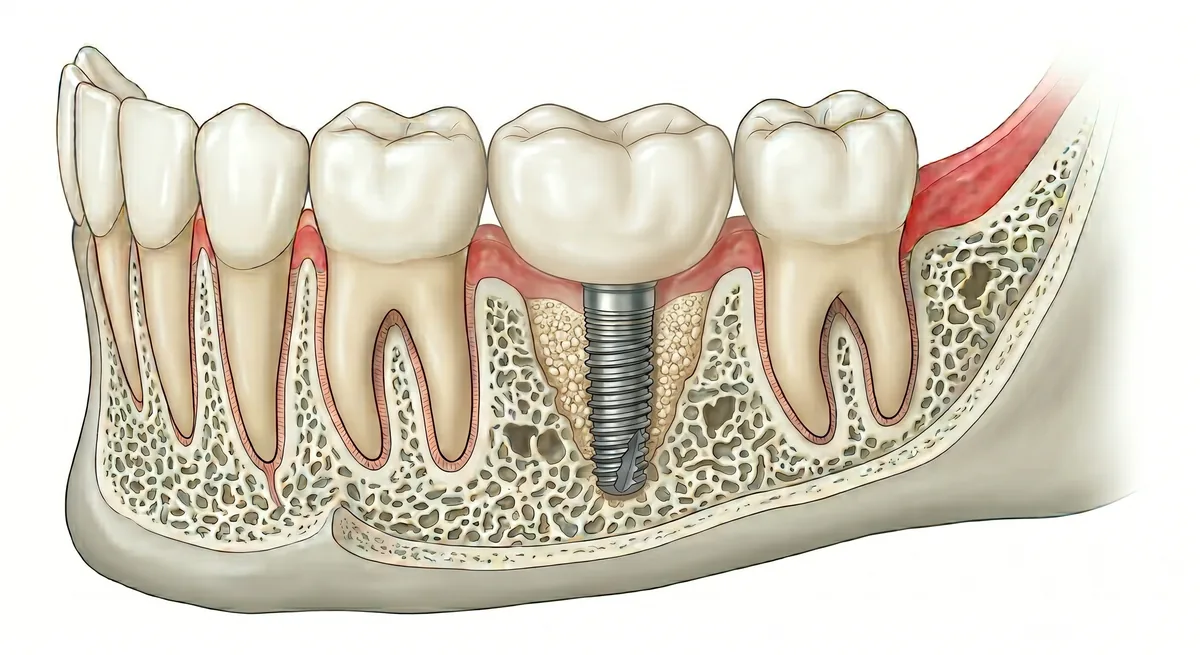
One of the most discouraging things a patient can hear is: you do not have enough bone for dental implants. This may be true for conventional implant placement, but it does not always close every option. An implant assessment looks at where bone is missing, how much support is needed, and whether bone-building, another implant approach or a non-implant replacement is suitable. Complex surgical options may require referral for specialist assessment.
At Marwaha Dental Clinic, Dr. Divya Marwaha discusses bone support and implant options at DLF Phase 2. Bone grafting, ridge augmentation and sinus lifts are considered according to the proposed implant position and the amount of bone required.
Why Bone Loss Happens After Tooth Loss
Bone can shrink after tooth loss. The amount and shape of remaining bone vary by site and history, so the age of the gap alone cannot show whether an implant or graft is suitable. FDA: bone changes after tooth loss.
Can a tooth missing for many years still be replaced?
Often there are replacement options to assess, even after a long gap. An implant may be possible with existing bone or selected preparatory treatment, while a bridge or removable denture may fit better. Years without a tooth do not automatically require grafting or rule implants out. Assessment relates the present bone, neighbouring teeth, gums and bite to the intended replacement. Guy's and St Thomas': individual replacement alternatives.
How long after extraction can an implant be placed?
There is no single waiting period. Placement can be on extraction day in selected cases, after soft-tissue or partial bone healing, or after full bone healing. Socket condition, infection, initial implant stability, grafting and the proposed replacement affect the choice. Discuss the plan before extraction when possible, including a backup if conditions at surgery change. Placement timing does not settle when you can bite on the replacement or receive the definitive tooth. ITI: placement and loading protocols.
How Dentists Check Bone Before Implants
Implant planning is not done by looking only inside the mouth. The team assesses the replacement position against bone height, width and nearby nerves or sinuses. Bite, gums and medical factors are assessed clinically alongside imaging; a scan alone does not settle suitability. A patient may have enough bone in one area and not enough in another. American College of Prosthodontists: site-to-restoration planning.
The 2026 ADA/AAOMR recommendations distinguish initial assessment, where a panoramic image may be used, from presurgical implant planning, where CBCT is recommended. Examination comes first; the field and exposure must suit the clinical question and suitable existing images should be considered. Ask where any scan will be arranged and what decision it will inform. ADA/AAOMR: implant imaging · ADA: justified imaging.
Bone Grafting: Building Support Where Needed
Bone grafting is used to increase bone volume in an area that needs better support for an implant. Graft material can act as a scaffold for new bone formation, with behaviour depending on the material and site. Depending on the case, grafting may be done before implant placement or sometimes at the same appointment. Healing must be checked; adding material does not guarantee enough bone for the intended implant. Cleveland Clinic: bone grafting · CUH: site and timing assessment.
- Socket preservation: placing material after extraction to reduce, rather than eliminate, ridge shrinkage. Further grafting may still be needed later.
- Ridge augmentation: building width or height in a shrunken jaw ridge.
- Guided bone regeneration: using membranes and graft material to support bone formation.
Socket preservation at extraction differs from rebuilding a ridge that has already healed; shared materials do not make them identical procedures. Periodontology 2000: extraction-site preservation review.
Sinus Lift: When Upper Back Jaw Bone Is Too Low
In the upper back jaw, the sinus sits above the tooth roots. After upper molars are lost, bone height can reduce and the sinus may sit close to the jaw ridge. A sinus lift creates additional bone height below the sinus floor so implants can be placed more safely in selected cases.
Sinus lift planning requires careful imaging and surgical experience. The exact timeline depends on the amount of bone needed and whether implants can be placed at the same time or only after healing.
AAP: sinus augmentation and timing.
Zygomatic Implants: For Selected Severe Upper Jaw Bone Loss
Zygomatic implants are longer implants that anchor into the cheekbone rather than relying only on the upper jawbone. They are not routine implants and are not needed for most patients. They may be considered only in selected severe upper jaw bone loss cases following individual assessment of conventional implants, grafting and the reconstructive problem.
Zygomatic implants are a distinct specialist procedure for selected cases of severe upper-jaw bone loss. They differ from standard implants in their anchorage and surgical planning. The surgical and replacement-teeth plan needs experienced coordinated care, including assessment of the upper jaw, cheekbones and sinuses. Sinusitis is an important reported complication. ITI: selected zygomatic indications and assessment · ITI: zygomatic complications. MDC's zygomatic information page describes general implant assessment with Dr Divya and appropriate next steps; ask who would provide any specialist treatment and where.
How the Bone Finding Changes the Discussion
| Finding | Planning question |
|---|---|
| Recent extraction | Would socket preservation help the planned replacement? |
| Narrow ridge | Is ridge augmentation needed for the intended implant position? |
| Limited upper-back jaw height | Is a sinus lift relevant? |
| Extensive bone loss | What tooth-replacement options and treatment sequence are appropriate? |
Could another replacement avoid a graft?
For a planned implant in the upper back jaw near the sinus, alternatives may include a suitable shorter or differently positioned implant, a tooth-supported bridge, a removable denture or accepting a suitable gap. These each have separate anatomical, restorative and everyday-care requirements. A shorter implant cannot solve every bone defect, and a bridge needs suitable supporting teeth. Compare surgical burden, temporary arrangements, maintenance and cost rather than treating any option as automatically better. CUH: alternatives in upper-back-jaw planning · Compare implants, bridges and dentures.
Why Specialist Planning Matters
Bone grafting and advanced implants are surgical procedures. The plan must consider anatomy, healing capacity, infection control, bite forces, prosthetic design, and long-term cleaning. Infection, exposure or insufficient bone formation can change a grafting plan, and implants can fail to integrate. CUH: graft risks · Guy's and St Thomas': implant risks. Ask why the proposed procedures and healing stages are needed for your mouth.
What Patients Should Bring to an Implant Bone Assessment
If another clinic has already said there is not enough bone, bring any X-rays, CBCT scans, treatment plans, or implant brand details you were given. Also share medical history, medicines, smoking habits, diabetes status, previous extractions, denture use, and any history of failed implants or gum disease.
This information helps the surgeon understand whether the issue is local bone loss, sinus position, gum disease, infection, bite overload, or a wider medical healing concern. The final plan should be based on diagnosis, not only on the desire to place implants quickly. Guy’s and St Thomas’: health history and implant planning · FDA: health and implant risk assessment.
Why Some Cases Should Be Staged
Patients often prefer the fastest route, but severe bone loss may need staged treatment. Staging may include extraction, infection control, graft healing, implant placement, integration, and final prosthesis. In selected cases, immediate or shorter provisional timelines may be possible, but only if the bone, bite, and overall case are suitable.
A staged approach can feel slower, but it may be the more responsible plan when healing and long-term stability are the priority. Guy’s and St Thomas’: surgical and restorative stages · ITI: selected placement and loading protocols.
Questions To Ask After Being Told There Is Not Enough Bone
A useful second opinion should be specific. "Not enough bone" should be explained in terms of the specific site and planned implant: for example, limited height or width, or proximity to a sinus or nerve. The dentist may also need to address gum disease, infection or bite concerns, which are separate parts of assessment. Each finding leads to a different discussion. Ask the surgeon to explain the exact anatomical limitation and whether the concern is local to one area or affects the full jaw.
- Was the opinion based on a clinical exam only, a 2D X-ray, or CBCT imaging?
- Is the issue bone height, bone width, sinus position, nerve position, gum disease, or infection?
- Would grafting be done before implants or at the same appointment?
- Are zygomatic implants genuinely relevant, or is standard grafting more suitable?
- What prosthetic teeth will sit on the implants, and how will they be cleaned?
Risks, Limits, and Maintenance Must Be Discussed
Bone grafting and zygomatic implants are advanced surgical options, not shortcuts. Patients should understand healing time, infection control, sinus considerations, nerve safety, medical risk factors, smoking, diabetes control, maintenance visits, and what happens if the first plan is not suitable. A careful plan may recommend staged treatment because the long-term result matters more than a fast promise.
FAQs: Bone Loss and Dental Implants in Gurugram
Possibly. Some patients need grafting, a sinus procedure or a different implant plan; others may be better suited to a non-implant replacement. Examination and appropriate imaging are needed before deciding. Read about bone grafting for planned implant sites.
No. The time since tooth loss alone does not determine the need for a graft. The amount and position of bone must be assessed against the proposed implant and replacement tooth. Ask the dentist to explain the findings for the specific site.
Compare the number of procedures, healing stages, temporary tooth arrangements, risks, maintenance and full cost. Ask why a particular option suits your mouth and what would happen if healing changes the plan. Our implant estimate guide helps you check what is included.
No. A sinus lift concerns bone support in the upper back jaw near the sinus; other grafts address different sites or dimensions. It is considered only when relevant to the proposed implant position. The bone grafting page explains sinus lifts, ridge augmentation and socket preservation.
No. Graft healing and the later implant outcome are separate issues, and both have risks. Adequate bone is only one part of planning and long-term care. Review the proposed stages and limitations with the dentist; the NHS bone grafting guide describes the possibility of insufficient healing and further treatment.
Book a Consultation
Marwaha Dental Clinic is at J-4/33, DLF Phase II, opposite Sahara Mall, Gurugram – 122002. Call or WhatsApp +91-9818379780. Clinic hours are Monday to Saturday, 11AM–7PM.