
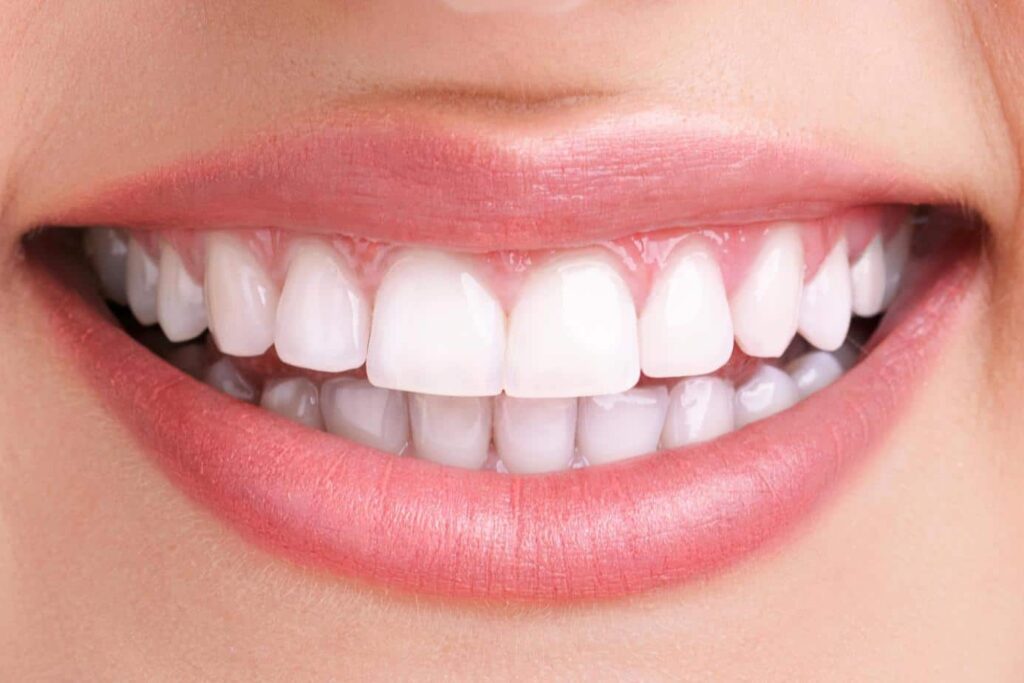
Smile Makeover in Gurugram: Veneers, Aligners, Whitening and Bonding
A smile makeover combines treatments only when they address different parts of your concern: aligners or braces move teeth, whitening changes natural tooth colour, and bonding or veneers alter selected tooth shapes or surfaces. You may need one option, a staged combination, or no cosmetic treatment after discussing the trade-offs.
A smile makeover addresses selected concerns about tooth colour, shape or alignment. It may involve one treatment or a combination, depending on tooth and gum health and your goals. This guide compares options available at Marwaha Dental Clinic in DLF Phase 2, Gurugram, where Dr Divya Marwaha has more than 25 years of clinical dental practice.
What Is a Smile Makeover?
A smile-makeover assessment considers your concerns, oral health and suitable alternatives. Improving appearance may involve whitening, veneers, bonding or orthodontics, but a combination is not always needed. Decay, gum disease and other dental problems need to be included in planning. See the smile makeover planning guide.
How are treatments combined, and which comes first?
Start with the final goals and the health of the teeth and gums, then agree which steps are necessary and which are optional. A makeover is an individually selected plan, not a standard package containing every procedure. Eastman Institute for Oral Health describes this individualized approach.
If tooth movement is needed to arrange teeth or space for later restorations, orthodontics may come before the final bonding or veneers. That is a case-specific choice, not a rule to postpone necessary dental repair. Active decay and gum problems should be addressed before orthodontic treatment. BOS adult guidance explains restorative positioning and dental preparation.
If whitening and new bonding are both wanted, whitening is commonly considered first so the resin can match the intended natural-tooth shade. Existing restorations do not bleach like natural teeth, so discuss shade matching before final veneers or crowns are made. Timing, suitability and any restoration replacement remain individual decisions. Bupa Dental Care explains whitening and bonding shade planning · ADA: restoration colour limits.
Ask for the sequence, tooth preparation, alternatives, reviews and expected maintenance in writing. Recovery differs between procedures, and the plan should explain how retention after tooth movement fits any final restorative work.
Cosmetic Dentistry Options at Marwaha Dental Clinic, Gurugram
Veneers and changes to tooth shape
A veneer covers the visible front of a tooth and may improve selected discoloration, shape defects, chips or small gaps. The tooth must be suitable for restoration. Veneers may restore appearance when much of the tooth remains intact; they are not a substitute for assessing a heavily damaged tooth. Porcelain veneers are the clinic's narrower material-specific page.
Decay and gum disease should be treated before veneer placement. Grinding and an unfavorable deep bite—a substantial overlap of the upper and lower front teeth—can limit suitability. Assessment also needs to distinguish a tooth with a mainly appearance concern from one that needs a different restoration or other care. A veneer recommendation is not based on a shade or shape preference alone.
Many veneer treatments are not reversible, particularly when enamel is removed for preparation. The actual amount of enamel removed and reversibility depend on the technique; a minimal-prep or no-prep label by itself does not settle those questions. Ask what would be changed on the tooth before choosing.
A veneer covers fewer surfaces than a full crown, but the two have different coverage and indications; neither is universally preferable.
Veneered teeth still need fluoride toothpaste and daily cleaning between teeth. Decay can develop around or beneath a veneer. Avoid using veneered teeth to open packages or bite hard objects.
A veneer can become loose or be associated with temperature sensitivity. Contact the dentist promptly if a veneer does not feel right after placement; these signs do not by themselves identify the cause.
Sources: ADA MouthHealthy: Veneers and Cleveland Clinic: Dental Veneers.
The American College of Prosthodontists explains veneer coverage and selected indications.
Composite bonding and small appearance changes
Composite bonding uses tooth-coloured resin to make selected small changes to tooth shape or appearance, including chips or gaps. Suitability depends on tooth health; the material can chip or stain and may need maintenance. Cleveland Clinic explains dental bonding.
Aligners and tooth position
Conventional metal braces use brackets joined by an archwire. They remain attached while the orthodontist monitors tooth movement and makes adjustments. Read about conventional metal braces in Gurgaon for the fixed appliance, fitting and repair details.
Clear aligners are a series of custom-made, removable plastic trays. They are taken out for eating and oral hygiene, and each tray advances a staged plan. Wear time and tray changes follow the individual prescription; inadequate wear can compromise progress. Review visits let the orthodontist check tooth movement and tooth and gum health and make planned adjustments; timing depends on the individual plan. Fixed braces may be considered when aligners cannot adequately make the required movements. See the clear-aligner guide for fit, tracking and day-to-day wear.
Tooth movement changes position rather than bleaching teeth or changing their shape. An aligner plan and any proposed restorations need to be considered together.
AAO: clear-aligner care · AAO: fixed braces · AAO: treatment reviews.
Whitening and tooth colour
In-office bleaching uses professionally applied gel with soft-tissue protection. Dentist-supervised home bleaching uses gel in fitted trays according to the dental team's instructions. They are both external bleaching routes for natural teeth; neither is always better or longer-lasting. The clinic's in-office teeth whitening page covers that route in more detail.
Crowns, veneers and composite restorations do not bleach like natural teeth, so a colour difference may become more noticeable. Professional cleaning may remove external surface stains, but cleaning is not the same as chemically bleaching natural tooth colour.
Whitening response and persistence vary between people. No exact shade change or permanent result can be assured. A consultation can set realistic expectations for the cause of staining and the teeth being treated.
Whitening can cause temporary tooth sensitivity or gum irritation. If sensitivity or gum irritation bothers you, speak to the dentist for advice; persistent symptoms also need clinical review. For supervised home treatment, follow the product-specific wear schedule and use the gel as instructed; do not substitute an arbitrary concentration or schedule.
The ADA whitening review describes the evidence and common adverse effects.
Gum shape and appearance
Gum reshaping or crown lengthening may be considered for selected appearance goals after gum assessment. The choice depends on tooth and gum anatomy; risks, healing and timing depend on the procedure. Read about gum reshaping, crown lengthening and gum recession rather than assuming every gum concern needs the same treatment.
Cleveland Clinic explains the differences between gum procedures.
How to Know Which Treatment Is Right for You
First identify whether your concern is colour, shape, tooth position or gum appearance. Then compare suitable options and how they affect tooth structure, maintenance and treatment stages. For example, whitening does not change the shade of crowns or veneers in the same way as natural teeth, so shade matching matters when restorations are planned.
What Does a Smile Makeover Cost in Gurugram?
The estimate depends on the treatments and teeth involved. Ask which changes are optional, what preparation is needed, what the quotation includes and what future maintenance may involve. Compare a single suitable treatment with a combination instead of assuming a larger plan is necessary.
Why Patients Choose Marwaha Dental Clinic for Cosmetic Dentistry in Gurugram
Dr. Divya Marwaha provides treatment at Marwaha Dental Clinic, DLF Phase 2, Gurugram. She is a BDS Gold Medalist with advanced training at AIIMS, New Delhi, and a PG Diploma in Oral Implantology and Surgery from Germany.
Frequently Asked Questions — Smile Makeover in Gurugram
The intended colour of natural teeth and existing restorations needs to be considered together. Whitening does not change the shade of crowns or veneers in the same way as natural teeth. Ask how the sequence affects shade matching before new restorations are made. See cosmetic treatment options.
Where tooth preparation is needed, the removed tooth structure cannot be put back. The veneers themselves may eventually need repair or replacement. Ask about preparation, expected maintenance and less invasive alternatives before choosing them; “permanent treatment” does not mean a restoration lasts forever.
Existing dental work needs to be included in the assessment; it does not give a simple yes or no answer about suitability. Tell the dentist about crowns, bridges, implants and previous orthodontics. Ask which teeth can be moved and how the plan affects those restorations. Read the aligner treatment guide.
Tooth sensitivity and gum irritation can occur. Suitability, product strength and use matter, so discuss existing sensitivity, decay and restorations before starting. The ADA whitening review explains the evidence and common adverse effects.
No. The plan should address your concern, which may involve one option, a combination or no cosmetic treatment after discussion. Ask which changes are optional and compare tooth preparation, cost and maintenance. See the smile makeover planning guide.
Book a Consultation
Marwaha Dental Clinic is at J-4/33, DLF Phase II, opposite Sahara Mall, Gurugram – 122002. Call or WhatsApp +91-9818379780. Clinic hours are Monday to Saturday, 11AM–7PM.