
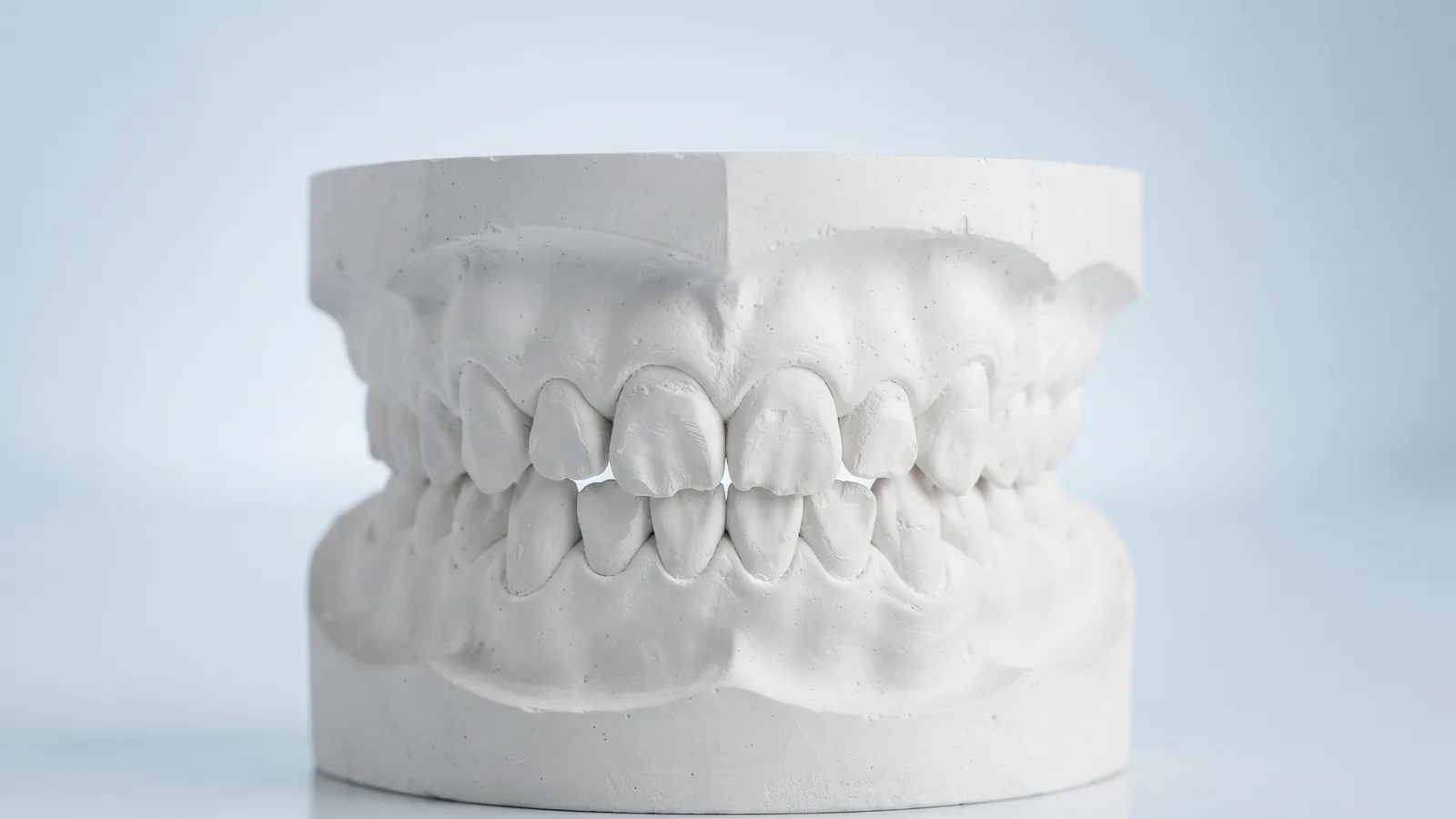
AI-generated image.
Worn or Chipping Teeth: Could Grinding Be Involved?
Worn or repeatedly chipping teeth can be linked to grinding or clenching, but they can have several causes, so the dentist looks at your history as well as the teeth. Acidic food or drink, reflux or vomiting can also wear teeth, and some wear is stable and causes no trouble. A dentist works out which of these fit your mouth by asking about your history, examining the teeth and, where it helps, checking how the upper and lower teeth meet (called the bite, or occlusion). Treatment then depends on the cause, how much tooth is lost, whether the wear is getting worse and what you want. European consensus statement on severe tooth wear · Bristol Dental School: tooth wear causes and assessment.
Can grinding or clenching cause worn or chipped teeth?
Yes, it can. Bruxism means grinding, clenching or gnashing the teeth while awake or asleep, and severe bruxism can damage teeth or fillings and crowns (restorations). It may also cause jaw pain or tiredness and headache, while mild cases may not need treatment. NIDCR: Bruxism.
The dentist asks about your symptoms and looks for damage to the teeth and restorations and for tender areas. A sleep study can check for grinding during sleep; ask whether it is useful for you. The key point is that worn teeth can have several causes, so the history matters as well as the teeth. NIDCR: Bruxism · Bristol Dental School: tooth wear causes and assessment.
What else can wear down teeth?
A dentist reviewing worn teeth also asks about an acidic diet, reflux (stomach contents coming back up) and vomiting, as well as grinding. These are possible contributors to wear, and a person can have more than one. Dentists also separate physiological wear, a level of wear that is a normal part of having teeth, from pathological wear, which is more than expected or is causing problems. The assessment considers the cause, severity, progression and effects of the wear. European consensus statement on severe tooth wear · Bristol Dental School: tooth wear causes and assessment.
How do the common contributors to worn or chipped teeth compare?
The table below sets out what each possibility may involve. It is a guide to the questions a dentist asks, not a way to diagnose yourself; history and examination matter more than how a tooth looks. Sources: Bristol Dental School: tooth wear causes and assessment · Leicester Hospitals: tooth wear patient leaflet · NIDCR: Bruxism.
| Possible contributor | What you may notice | What the dentist checks | What the dentist still has to work out | Usual next step |
|---|---|---|---|---|
| Grinding or clenching (bruxism) | Worn or chipped teeth, damaged fillings or crowns, sometimes jaw tiredness or headache; some people notice nothing | Your reported symptoms, damage to teeth and restorations and tender areas | That grinding is happening or is the cause of the wear | Mild cases may only be monitored; a guard for tooth protection or habit strategies may be discussed |
| Acidic food or drink | Worn teeth; the dentist asks about diet as part of the history | Diet history, where the wear is and how much tooth is lost | That diet is the cause, or that grinding is not also involved | Prevention aimed at the assessed cause, with monitoring |
| Reflux or vomiting | Worn teeth; the dentist asks about reflux or vomiting as part of the history | History of reflux or vomiting alongside diet and grinding, and the pattern of wear | That reflux or vomiting is the cause | Prevention aimed at the assessed cause, with monitoring; tell the dentist so the history is complete |
| Wear that is stable and symptom-free | Small areas of wear with no pain, sensitivity or sharp edges | Whether it is physiological or pathological, and whether it changes over time | That nothing needs attention in future | Monitoring with clinical records, and review if it worsens or starts causing symptoms |
What does a worn-tooth and bite assessment involve?
Before any teeth are restored, the dentist looks at where the wear is and how severe it is, then asks about acidic diet, reflux or vomiting and grinding. X-rays may be used where they help check the tooth nerve and plan care. The dentist also considers how the upper and lower teeth contact each other; the ADA glossary defines occlusion as the contact between upper and lower teeth. Bristol Dental School: tooth wear causes and assessment · ADA dental glossary: occlusion.
The aim is to understand the pattern and likely causes first, so that any repair protects as much natural tooth as possible. Tests and advice are individual, and wear is not automatically caused by bruxism. For severe wear, expert consensus recommends diagnosis, prevention, counselling and monitoring as part of management. European consensus statement on severe tooth wear.
Does every worn or chipped tooth need treatment?
No. Small, symptom-free wear may be monitored using clinical records, while worsening wear or symptoms can prompt treatment. Restoration depends on the severity and effects of the wear and on your preferences, and it need not happen straight away. The dentist has to identify the cause and severity first. Leicester Hospitals: tooth wear patient leaflet · European consensus statement on severe tooth wear.
What repair options exist, and what should you know before choosing?
Depending on the assessment, care for worn teeth may include preventive care, a protective guard when grinding is identified, tooth-coloured filling-material build-ups when enough tooth remains, crowns or onlays (laboratory-made coverings) when more tooth is lost, and dentures or overdentures for severe or widespread loss. These are alternatives that depend on the examination, not a fixed sequence, and no source shows one route is best for everyone. When restoration is indicated, expert consensus favours minimally invasive approaches with preventive support. Bristol Dental School: tooth wear causes and assessment · European consensus statement on severe tooth wear.
Restoring worn teeth can need several lengthy appointments. A filling-material build-up may make the bite feel unfamiliar at first, and a crown involves preparing the tooth, which can sometimes cause the tooth underneath to die; that can be painful and may need root canal treatment or removal of the tooth. Finished work needs ongoing dental checks and may later chip, fracture, wear further, loosen or need repair. Leicester Hospitals: tooth wear patient leaflet · Bristol Dental School: tooth wear causes and assessment.
A guard separates the upper and lower teeth to help prevent tooth damage and may reduce muscle activity, but it does not guarantee that bruxism will stop. For the difference between a guard for grinding and care for jaw pain, see our guide to night guards for grinding versus jaw pain treatment. NIDCR: Bruxism.
Does a bite finding mean braces or bite adjustment will fix jaw pain?
No. A bite assessment for tooth wear is not, by itself, a diagnosis or a treatment for jaw pain. Braces, grinding down teeth or extensive crowns should not be presented as a proven cure for temporomandibular disorders (TMD, problems of the jaw joints and chewing muscles). NIDCR says the evidence does not support bite-changing treatments for TMD and that they may worsen symptoms. For jaw pain, clicking or locking, read our guide to jaw pain and clicking or the clinic's TMJ treatment in Gurgaon. NIDCR: TMD and bite-changing treatments.
When should you see a dentist promptly, and when can you book routinely?
Book a routine assessment if you notice new wear, a chipped tooth that is not painful, or a feeling that teeth are shorter or flatter than before. Ask for a review sooner if wear is getting worse or starts causing sensitivity, sharp edges or difficulty chewing. Leicester Hospitals: tooth wear patient leaflet.
Seek dental assessment promptly if a restored tooth has severe or persistent pain, or if a filling, crown or denture becomes broken or loose. Uncontrolled mouth bleeding, or severe swelling that affects breathing, needs emergency medical assessment rather than a routine appointment. NHS: urgent dental problems.
Discuss worn or chipping teeth at Marwaha Dental Clinic
Marwaha Dental Clinic describes teeth-grinding assessment as checking whether grinding happens during sleep or while awake and whether teeth or restorations are damaged. A dentist can assess your concerns and discuss whether monitoring, tooth protection or another evaluation fits the findings. This information does not confirm a diagnosis or promise a particular appliance, treatment or result. You can read the clinic's teeth-grinding assessment information first.
To ask about an assessment, call +91-9818379780 or message the clinic on WhatsApp. The clinic is at J-4/33, DLF Phase II, opposite Sahara Mall, Gurugram – 122002, and is open Monday to Saturday, 11 AM to 7 PM. See the DLF Phase 2 clinic page or the contact page.
Frequently Asked Questions
Not necessarily. A single chip or worn filling can have other contributors besides grinding, such as acidic food or drink, reflux or vomiting. The dentist looks at your history and the damage to teeth and restorations before suggesting a cause. See NIDCR: Bruxism · Bristol Dental School: tooth wear.
Mention any reflux, vomiting or regular acidic food or drink, even if it seems unrelated to your teeth. Dentists ask about these alongside grinding when examining worn teeth, and the combined history helps identify the likely causes. See Bristol Dental School: tooth wear.
Yes, a check is reasonable. Small, symptom-free wear may only need monitoring with clinical records, but the dentist has to identify the cause and severity to know that. Wear that worsens or begins to cause sensitivity, sharp edges or chewing difficulty may need reassessment. See Leicester Hospitals: tooth wear patient leaflet.
Acid wear (dental erosion) is the most common cause of tooth wear. Carbonated drinks, fruit drinks, fruit teas, flavoured waters, fruit and many other foods are acidic. The dentist may ask how often you have them and suggest changes to protect your teeth. See Bristol Dental School: tooth wear.
Repairing the tooth is possible, but a repair does not itself control grinding, and restorations can chip, fracture or wear further and need ongoing checks. Understanding the cause helps the dentist decide on prevention and monitoring alongside any repair. See NIDCR: Bruxism and Bristol Dental School: tooth wear.
It depends on the route and your teeth, and the sources do not set a fixed number of visits. Restoring worn teeth can need several lengthy appointments. A filling-material build-up may make the bite feel unfamiliar at first, and a crown involves preparing the tooth, which can sometimes cause the tooth underneath to die; that can be painful and may need root canal treatment or removal of the tooth. Ask the dentist what your plan involves. See Leicester Hospitals: tooth wear patient leaflet.
Not necessarily. Diagnosis of bruxism draws on your reported symptoms and an examination for dental damage, and a sleep study can check for grinding during sleep. It is not automatically part of every dental assessment, so ask the dentist whether it is useful for you. See NIDCR: Bruxism.
They can be. As enamel wears away, teeth may become sensitive, look shorter, develop small hollows or look more yellow as the dentine underneath shows. Very worn teeth can also make eating and speaking harder. These signs have other possible causes too, so a dental examination is the way to find out. See Bristol Dental School: tooth wear.